What advanced sludge systems can deliver
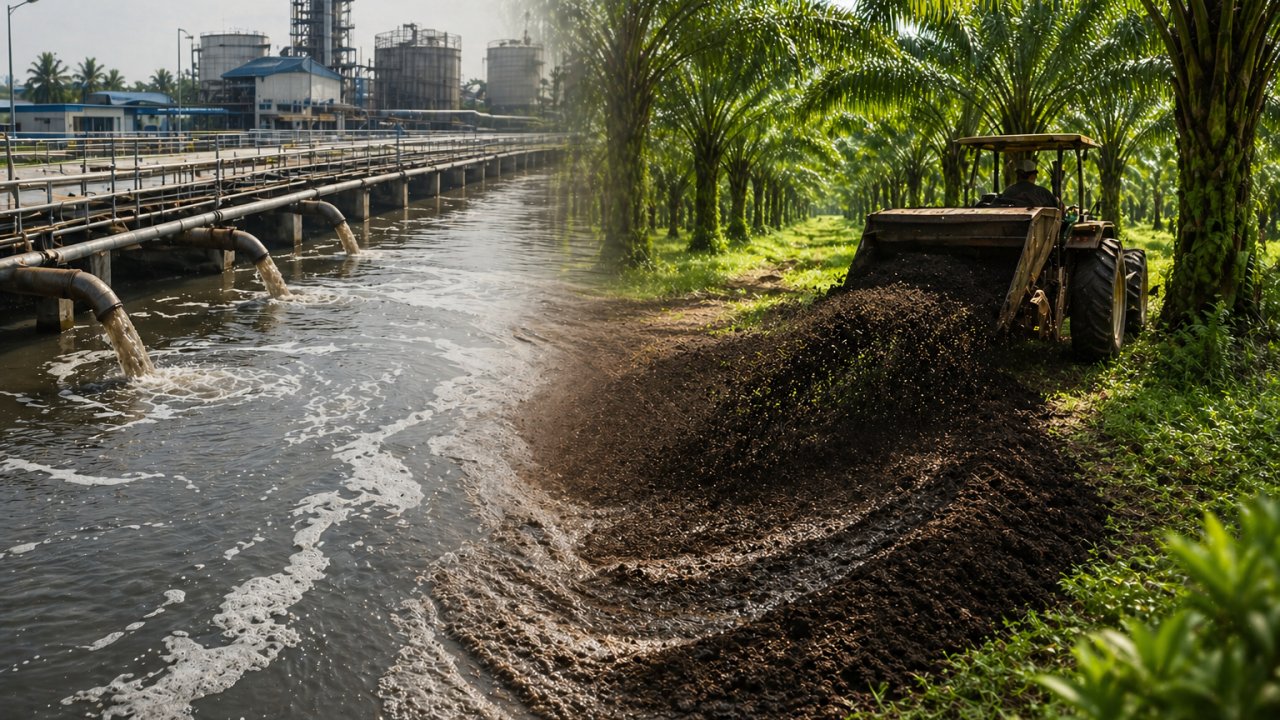
In my previous article, I discussed the results from implementing simple sludge handling systems. In this article, I propose what can be achieved with more advanced systems.
The Problem Most mills are already producing thousands of tonnes of fertilizer every year…
They just aren’t using it.
Across a typical palm estate operation, nutrients move through the system every day — in sludge, solids, and residual streams — and are ultimately treated as waste.
But those nutrients don’t disappear, they end up:
In sludge ponds
In dewatered solids lost in the treatment process
At the same time, estates are buying large volumes of mineral fertilizer to sustain production.
The Solution? By combining materials already generated on-site, it is possible to produce a high value organic fertilizer.
What does that look like in practice? For a typical mill using conventional processes without any fancy technology:
This translates to:
~4,000 – 4,700 tonnes per year on a dry-matter basis
With a nutrient profile broadly equivalent to:
NPK ~3–4–4 (+ Ca)
Why does this matter? Because fertilizer is one of the largest operating costs on an estate.
At current prices:
€1,500–2,600 per hectare per year A 5,000 ha estate = €7.5M – €13M per year
On a dry-matter basis, the recovered organic material has an equivalent fertilizer value of:
€350–450 per tonne
In practice, this translates to:
20% reduction in fertilizer purchases €2.6 million per year in avoided costs
Contact me to discuss how to make these savings.
Comments
No comments yet.