Turning steam and EFB into biogas
A standard 60 tonne per hour palm oil mill produces:
190–230 tonnes per day of moist Oil Palm Empty Fruit Bunches (OPEFB) A continuous stream of low-pressure excess steam following sterilisation and power generation
Individually, these are routine by-products of mill operations.
Together, they represent a lost revenue opportunity.
Residual COD = Recoverable Energy Field-scale testing shows that simple hot water washing of OPEFB at 85– 100°C removes significant soluble COD from pressed EFB:
~23,000 mg/L COD from hot water stripping Up to ~43,500 mg/L COD when hot water washing and alkaline treatment are combined
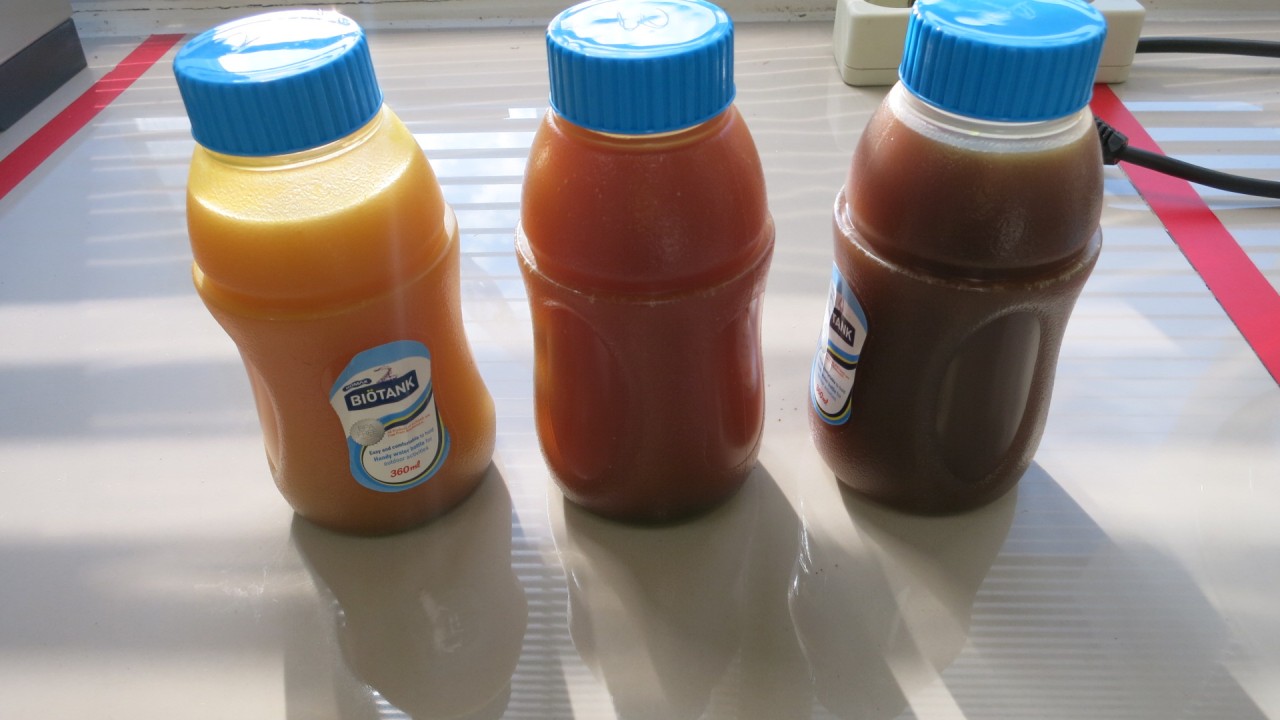
This soluble fraction, OPEFB Hydrolysate, is readily digestible in anaerobic systems.
In practical terms:
Residual COD → Increased biogas → Increased power generation.
The energy is already embedded in the fibre.
Using Excess Steam as a Value Driver Palm oil mills already generate more steam than is strictly required for core processes. That excess thermal energy can be redirected to:
1. Shred EFB
2. Perform steam-assisted hot water washing 3. Produce a COD-rich liquor
4. Feed that liquor into existing anaerobic digesters (alongside POME)
This approach leverages:
Existing boiler capacity
Existing digesters Existing biogas gensets
It transforms surplus steam into incremental gas production.
What This Could Mean for a Typical Mill For a standard 60 tph facility:
EFB-derived liquors may contribute ~18,750 m³/day of additional biogas Combined with POME digestion, total biogas could approach ~50,000 m³/day
Equivalent combined electrical potential: ~4.5 MW
That represents additional energy output without:
Increasing FFB throughput Expanding plantation land
Installing entirely new generation infrastructure
It is optimisation, not expansion.
Improving Asset Utilisation Most mills already operate:
Boilers Steam systems Anaerobic digesters
Gas engines
Recovering soluble COD from OPEFB improves:
Digester loading rates Biogas yield per tonne of FFB
Generator utilisation
Overall energy self-sufficiency
The incremental capital required — shredding and steam washing lines — are modest relative to building new power capacity.
A Strategic Opportunity In an environment where:
Energy costs fluctuate Carbon intensity is scrutinised
Efficiency improvements matter
Integrating steam-assisted OPEFB washing into existing digestion systems offers a practical pathway to increase internal energy revenue.
It is not about new downstream fuels. It is about unlocking value already paid for when FFB enters the mill.
The Bottom Line Every tonne of FFB processed contains more energy than is currently being recovered.
Excess steam can be converted from a thermal surplus into a processing advantage.
Residual COD in OPEFB can be converted into additional biogas.
The infrastructure is already in place.
The opportunity lies in capturing the value that is already there.
Comments
No comments yet.