Hydrogen biomethanisation
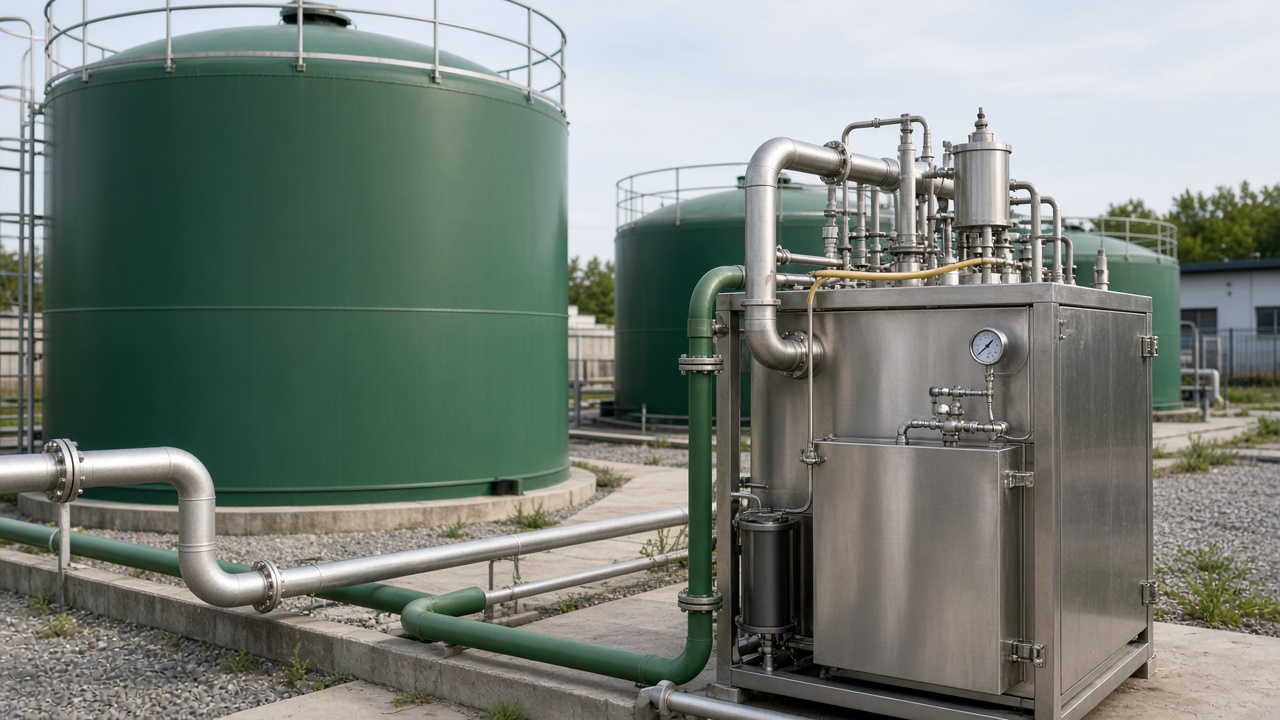
Hydrogen biomethanisation is the biological conversion of hydrogen and carbon dioxide into methane. In a digester the carbon dioxide is already there, in the biogas. Supplying renewable hydrogen lets methanogens turn that carbon dioxide into more methane instead of separating it and venting it in an upgrading plant.
The reaction can be arranged in the digester itself (in situ) or in a separate vessel. The product is still methane, so it follows the same path as any other biomethane: cleanup, upgrading or liquefaction, and offtake. The Archaea case study is a project note for this route on palm-oil mill effluent. The Sumatra bio-LNG case study uses the same step before liquefaction. Figures in those notes are project claims, not results repeated here as a guarantee.
See biomethane upgrading and hydrogen storage.