Site safety assessment
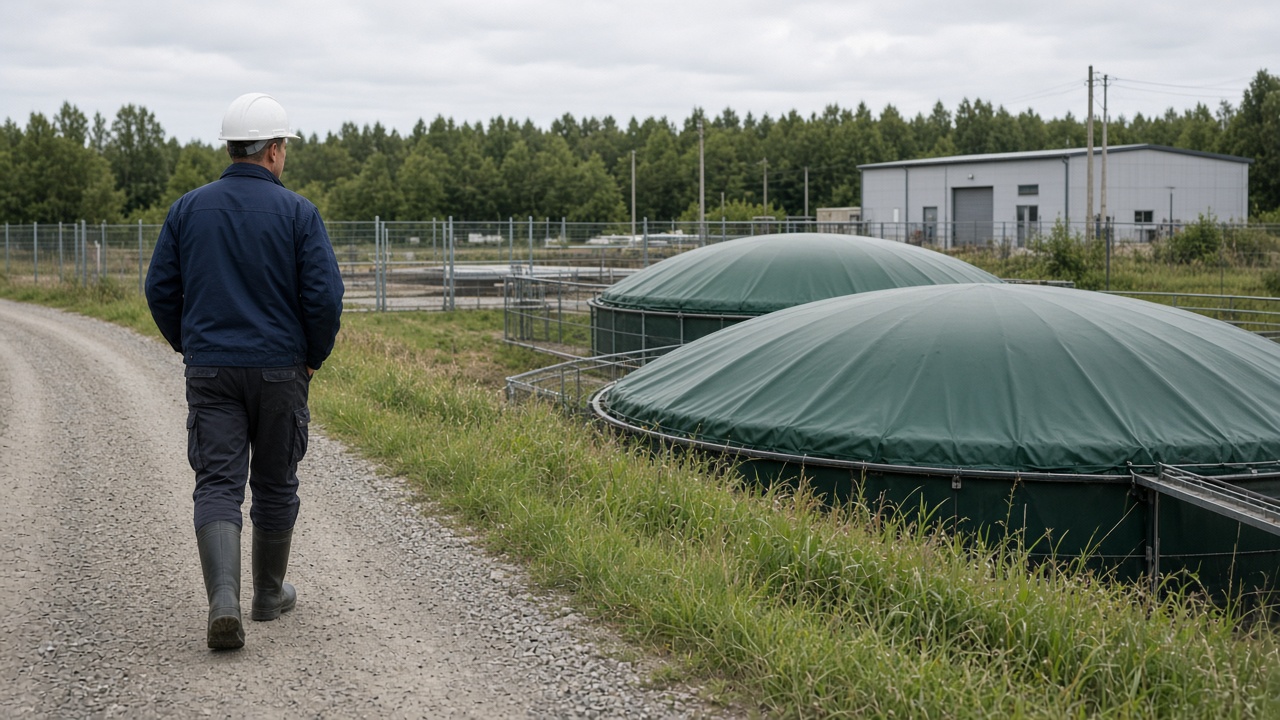
A site safety assessment looks at the ground the plant will stand on, and at the people who will be there, before the equipment list is treated as settled. It asks where gas can collect, where a flame or a hot surface will sit relative to a biogas cover or a hydrogen container, where the public boundary is, and how a fire crew or an ambulance reaches the plot. Layout, separation, access, and occupied buildings are the subject. A drawing that only shows process units has not answered those questions.
On these plants the hazards are the ones the process already names. Biogas and hydrogen sulfide at a digester and a scrubber. Compressed hydrogen in the container bay. Methanol, ammonia, renewable diesel, or aviation fuel where those are the product. Steam at the boiler. The high-voltage yard. The assessment records which of those can reach a road, a workshop, a control room, or a neighbour, and what the layout has to change so they do not. It is not a HAZOP of the piping, and it is not the risk assessment for a single maintenance job.
The report is an input to design. Roads, drains, separation, the extent of a hazardous area, and the location of the control room are cheaper to move on paper than after a cover is inflated. Construction uses the same report for how the site is occupied while it is being built. Findings that change a trip or a detector go to automation.