Operator training
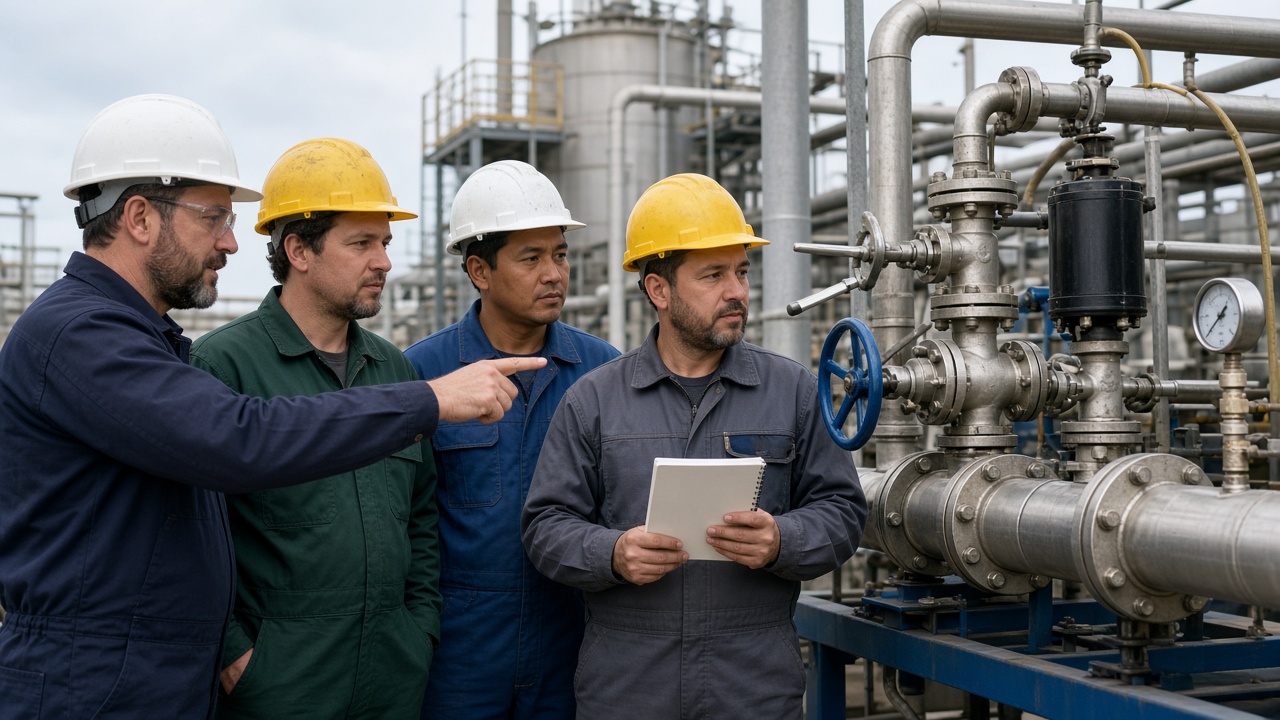
Site staff at a renewable energy plant have to be competent to run it. The biology, the gas, the steam, and the electrical supply do not look after themselves, and a plant that was designed correctly still fails if the people on shift do not know what normal looks like. Training is offered to the operators who will run the plant, on that plant, not as a generic classroom course in renewable energy.
The course follows the process the site actually has. For a digestion plant that is feedstock reception, loading the digester, gas quality, the hydrogen sulfide scrubber, and what a rising hydrogen sulfide reading or a falling methane share means before it becomes an alarm. For a plant that fires a steam boiler on biomass or biogas, it is light-up, steam pressure, water level, and the difference between a trip that is safe and a trip that leaves the process stranded. Where the site makes biomethane, bio-LNG, methanol, or a liquid fuel, the operators are taken through the upgrading, compression, or liquefaction step they will stand in front of, including the rate at which it may be started and stopped.
Electrical competence is part of the same training, at the level an operator needs. That means the solar array and battery, what the battery is doing when the sun drops, and which boards and machines are fed from the 11 kV local supplies. It does not turn an operator into a protection engineer. Switching, isolation, and who is allowed to rack a breaker are taught as limits, so that staff know the work they may do and the work that stays with an authorised person.
Training sits against commissioning and the months after handover. The first operating procedures are written from the commissioned plant, then practised on shift until the readings the operator logs are the same readings the design assumed. A refresher is due when the feedstock, the load, or the equipment changes. No accredited qualification is claimed here. The result of the training is an operator who can run the plant that was built.